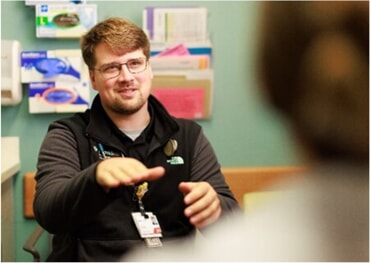
Whether your ultimate career goal is in primary care, hospital medicine, or a subspecialty, a strong foundation in outpatient care is essential. With increasing attention on transitions of care and reducing readmissions, future hospitalists must understand what it takes for patients to thrive in the community. Likewise, every subspecialist—from pulmonology to nephrology to cardiology—spends substantial time in clinic, making outpatient skills universally valuable.
At Providence St Vincent, our residency clinic serves a richly diverse patient population—from Latinx, Korean, Russian, and Middle Eastern immigrants to the sub/urban poor, nursing home residents, and professionals working at Nike and Intel. The clinic’s collaborative atmosphere fosters strong relationships among residents, attendings, and staff. Most importantly, our intentionally longitudinal structure allows residents to build deep, meaningful connections with their patients. Every spring, even during the height of COVID-19, patients have scheduled appointments simply to say goodbye to their graduating third-year resident physicians.
Over three years, residents develop ownership of their patient panels, becoming the primary doctor for individuals who rely on them for continuity and care. This experience—supported by intentional scheduling, a dedicated clinic team, and a culture of ownership—maximizes both education and satisfaction. It’s far more rewarding to see your own patients improve over time than to cross-cover one-off visits.
For experience, we’ve designed our curriculum to build confidence early. All categorical interns follow a 2+1 schedule: two months of inpatient rotations followed by one week of clinic, in addition to a half-day of clinic every week. This ensures that interns begin developing the skills and tools to be effective primary care physicians within the first few months of residency. Weekly clinic also increases the likelihood that interns are available when patients need them most, helping relationships take root early.
Once those relationships are established, residents are better equipped to care for patients even between longer-spaced appointments while leading inpatient teams.
Our residency clinic is designed to provide residents with a robust, team-based care experience supported by full-time professional staff:
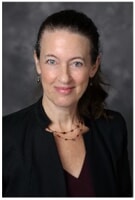 Erin Ehly
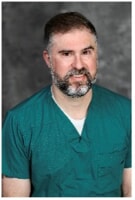 Ben Spencer, RN
Two Registered Nurses
Triage patient questions, assist with wound care and memory assessment,
and lead patient safety and quality improvement initiatives.
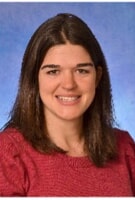 Abby Frye
Clinical Pharmacist
Abby Frye
Clinical Pharmacist
Clinical Pharmacist
Follows up with patients to adjust blood pressure and diabetes medications,
enhancing chronic disease management.
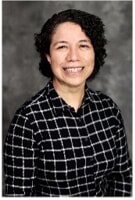 Ash Lanehurst
Behavior Health
Ash Lanehurst
Behavior Health
Clinical Psychologist/Behaviorist
Helps patients improve sleep, manage stress, and assess for ADHD—all
within the comfort of their familiar PCP’s office.
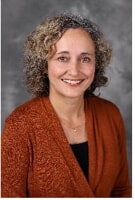 Monireh Moghadam
Case Manager
Monireh Moghadam
Case Manager
Case Managers and Social Workers
Support patients with complex needs, social determinants of health, and
care coordination.
| Year | Clinic Time | Dedicated Outpatient Weeks | Patient Panel Size |
|---|---|---|---|
| Intern | 1 half-day/week | 4 weeks | ~80 patients |
| Second | 2 half-days/week | 8 weeks | ~150 patients |
| Third | 2 half-days/week | 12 weeks | ~180 patients |
| Note: No clinic during inpatient ward rotations in 2nd & 3rd year. | |||
Patient Testimonials
"Always delighted with the resident I see on my visits. They are simply the best. As a retired 40+ year trauma nurse in level 1 hospitals, I so love working with residents! This is why I chose an internal medicine residency program. Dr. Elton has always shown respect - good listener, kindness, I never feel rushed. He is always empathetic about whatever is going on in my life!"
