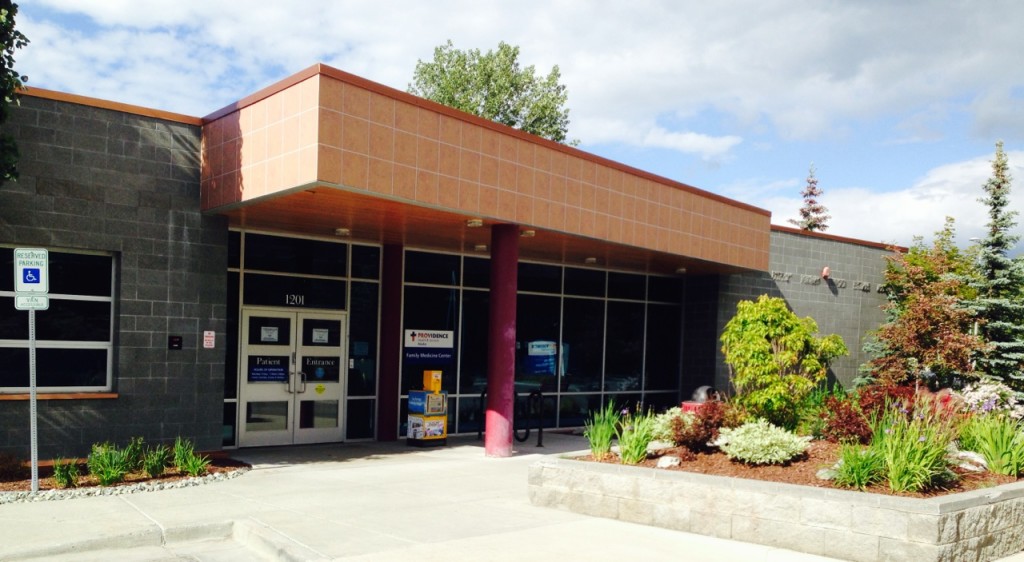
Providence Family Medicine Center (PFMC) is the continuity clinic for our residents. We serve our community as part of the healthcare safety net for a richly diverse patient population, with greater than 90 languages spoken amongst our patients! PFMC is staffed by a multidisciplinary support team to care for our patients with true Team-Based Care. We are proud to offer Integrated Behavioral Health, Clinical Pharmacy services, Addiction Medicine care, Social Services support, and RN Care Management.
At PFMC we utilize population data to prospectively manage chronic diseases, analyze and improve our practice, and ensure patient safety. Understanding that the healthcare landscape is quite dynamic, we pilot innovative projects to enhance patient access, improve quality of care, and mitigate administrative burden. Recent examples include Remote Patient Monitoring programs for patients with hypertension and/or heart failure, physician use of DAX technology (ambient recording and AI integration to draft office visit notes), and supporting Health Equity initiatives for blood pressure control in BIPOC patients with hypertension. We offer virtual visits and training in telehealth. We offer all types of reversible contraception in our clinic (IUDs, Nexplanon). We are an integral site for gender affirming care for adults in the Anchorage community.
We provide our residents with a safe, supportive, and contemporary learning environment in which to develop the skills to practice full scope Family Medicine. Residents learn how to work as the leaders of a multidisciplinary team to provide high quality, evidence-based care to our patients. PFMC provides comprehensive family-oriented care and offers a sliding fee scale in accordance with the mission of Providence.
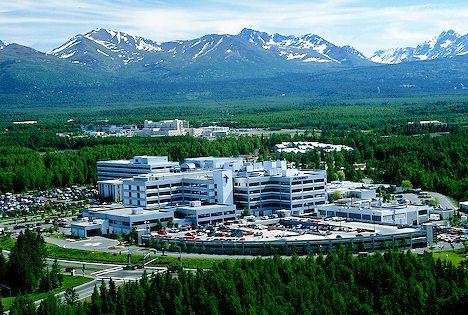
The majority of inpatient rotations are at Providence Alaska Medical Center (PAMC), the largest hospital and primary medical referral center in Alaska. Accredited by The Joint Commission, the 401-bed hospital offers the full range of tertiary medical services with physicians representing every medical specialty except some pediatric subspecialties and transplant surgery. It is extensively involved in the community and remains the only hospital safety net for the uninsured of Anchorage.
The hospital is part of the Sisters of Providence Health System, which owns and operates a comprehensive array of health related services in California, Oregon, Washington and Alaska. The Sisters of Providence have been in Alaska since 1902 when they brought health care to Nome, Alaska. They also operate smaller hospitals in Kodiak and Seward, Alaska.
Providence Alaska Medical Center provides full-service, comprehensive care to all Alaskans. It is the state’s largest hospital, with over 400 beds, and a nationally recognized adult and pediatric trauma center. It is the tertiary care hospital for the state, receiving the most critically ill patients from across the state.
Providence Alaska Medical Center provides quality health care through a number of specialty centers, including:
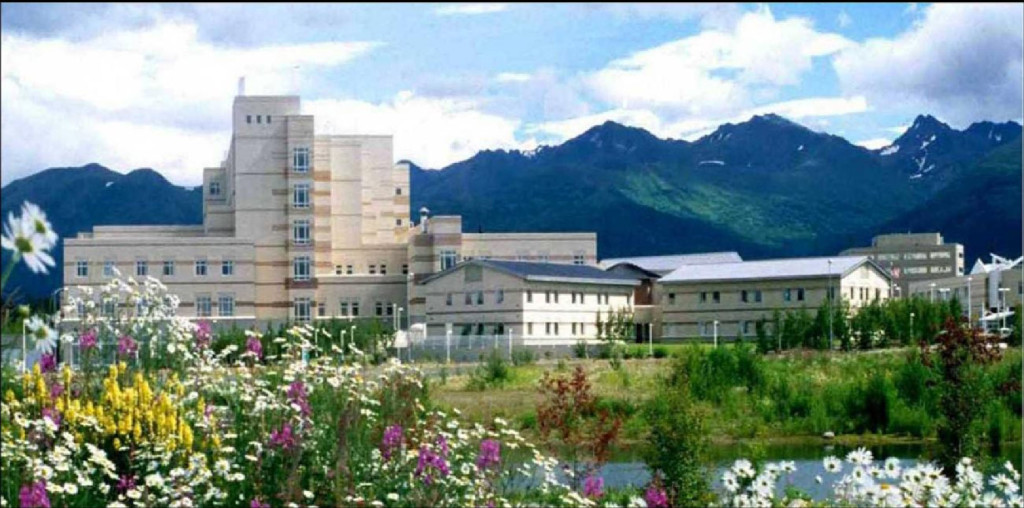 Inpatient and outpatient rotations also occur at the Alaska Native Medical
Center (ANMC) in Anchorage, a 182-bed inpatient and outpatient facility.
ANMC has become the national “flagship” of the 44 Indian Health
Service hospitals under the U.S. Dept. of Health and Human Services. It
is a level II adult and pediatric trauma center and is a referral center
for all native hospitals and clinics in the state. Services include OR,
ER, Labor and Delivery, Inpatient Medicine and Pediatrics facilities including
their corresponding intensive care units. The adjacent Southcentral Foundation
outpatient care center was constructed to provide primary care services
to the native population in the Anchorage area. Approximately 50% of all
Native Alaskans now live in the Anchorage catchment area. Pediatrics,
Family Medicine, and OB-GYN are all found in the Primary Care Center.
Alaska’s Centers for Disease Control and Prevention and the Alaska
Native Health Board are also located on the campus.
 Many residents spend six weeks in the second-year in Bethel, a town of
just over 6,000 at the center of a population of over 22,000 scattered
across 75,000 square miles of the Yukon National Wildlife Refuge. It is
accessible only by airplane or boat and is surrounded by wetland and tundra.
The population of the entire delta is 89 percent Alaska Native, primarily
Yup’ik, Chup’ik, and Inupiaq Eskimo as well as Athabascan.
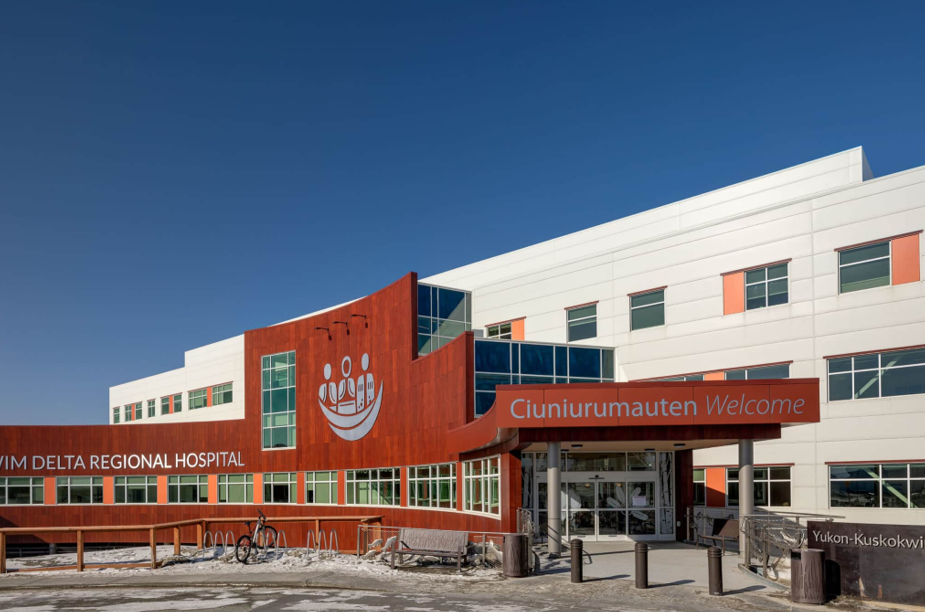
The Yukon-Kuskokwim Health Corporation (YKHC) manages the Yukon-Kuskokwim
Health Delta Regional Hospital. It is fully equipped for primary acute
care medical services and has air transportation links to Anchorage hospitals.
Inpatient facilities include adult, pediatric, and obstetric units (including
an obstetric OR). In addition to a busy outpatient clinic and a full-service
emergency room run by family medicine, the outpatient services include
dental, eye, and specialty clinics. It has approximately 20 primary care
physicians, most of whom are family physicians. YKHC serves 58 federally-recognized
Tribes and operates 41 Village Clinics.
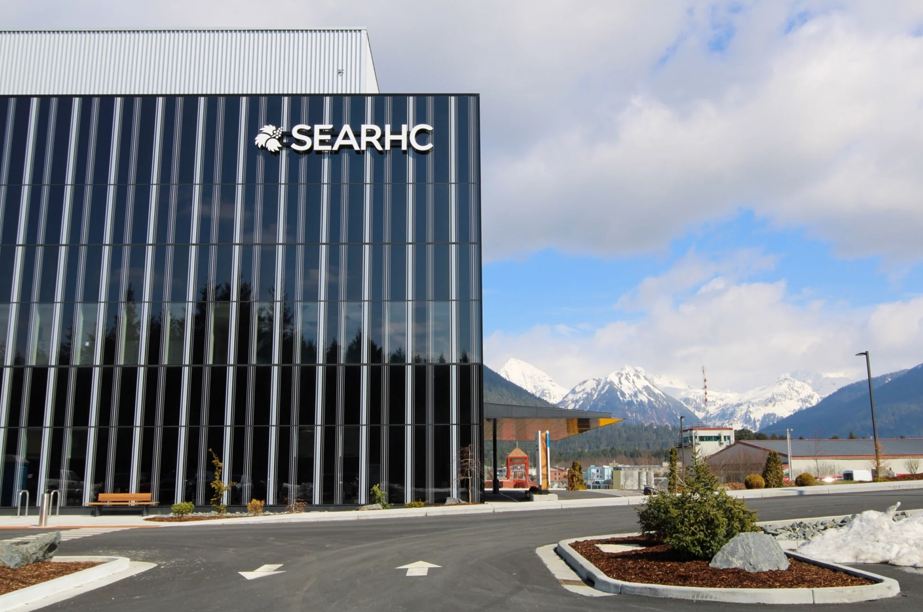 Many residents spend six weeks in the second-year in Sitka, the fifth-largest
city in Alaska, with over 8,000 people. Sitka is accessible only by airplane
or boat and is a common cruise ship destination as part of the Alaska
Marine Highway. This rotation occurs in partnership with SouthEast Alaska
Regional Health Consortium (SEARHC). SEARHC operates Mt. Edgecumbe Medical
Center (MEMC), a 25-bed Critical Access Hospital with a broad range of
medical and surgical specialties as well as Emergency Services, Primary
Care, Behavioral Health, Dental, Obstetrics, Optometry, Transitional Care
services and more, MEMC supports a comprehensive spectrum of healthcare needs.
